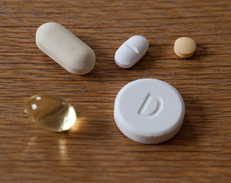
We have a patient who gets regular Fludrocortisone tablets... As pharmacists will know, this product needs to be stored in the fridge. The patient's mother brought his regular prescription into our pharmacy 10 days ago and it was dispensed as usual... The mother returned today with "mushy tablets" asking what could I do about it? She had clearly stored the product innapropriately. She had to go to the GP anyway for another item, so I suggested that she explains the situation to the doctor - that the product had degraded due to temperature and storage - and asks for another prescription. She agreed to keep the medication stored properly in future. Imagine my surprise, however, when she returned and the practice had said that the pharmacy should replace them? This is akin to buying an ice-cream, putting it into the cupboard instead of the freezer and asking the supermarket to replace the ice-cream when you notice it has melted. I spoke to the surgery and a new prescription was eventually sorted, but it left me thinking about how it's always pharmacy that has to sort it out - we're always piggy in the middle! Photo used under Creative Commons licence from Jo-H
0 Comments
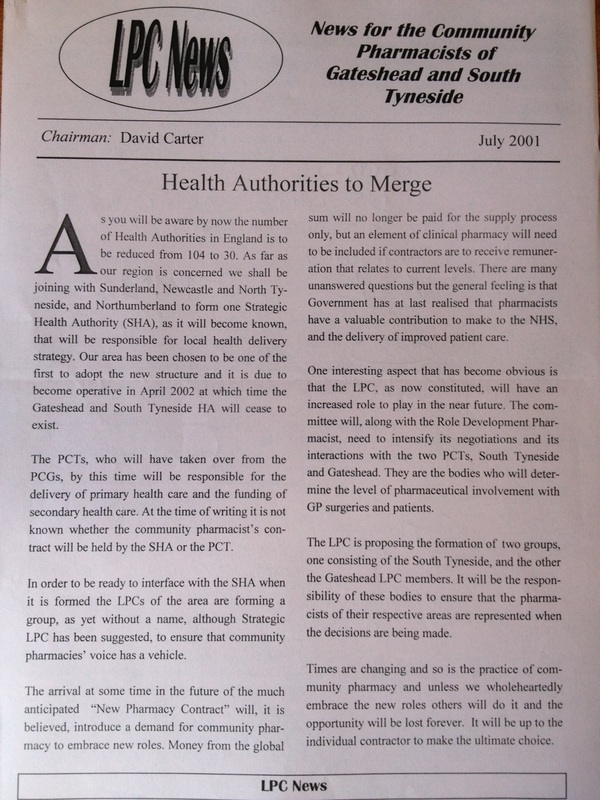
I was reflecting on the major changes that are occurring in the NHS locally and came across an old copy of the pink bulletin (our newsletter) from 2001 when we went through the last major reorganisation involving creation of PCTs.
I've attached it here for interest... There's a lot going on, but we've been here before - and when the dust settles, we'll still be here...the more things change, the more they stay the same! I did a really interesting MUR on a patient the other day - it was an intervention MUR. A lady called into the pharmacy stating that she had virtually no diazepam left - our computer records showed that she should have some and this triggered the MUR! During the consultation, I was alerted to a huge problem - that she had stopped all her blood pressure medication (lisinopril & amlodipine) and her other heart medicine three weeks ago... Why...? Well, because she had been to the surgery; and the GP had told her that her bloods were a bit low...and he would have to give her a course of injections to bring it up again. Later on, she reflected on what the doctor had said and being confused, assumed her blood pressure was dangerously low and stopped her tablets - whereas the GP was talking about B12 injections for anaemia! I urgently spoke to the surgery, and she has started her tablets again and will be seen soon by the doctor... It just goes to show the importance of good communication during consultations... The PSNC have recently announced a review of the fee structure for methadone. In essence, the "PSNC Drug Tariff simplification working group" will review whether the new item level fee for dispensing oral liquid methadone fully reflects the costs involved in dispensing, including costs associated with supply in daily dose bottles. This can only be done accurately with contractor help; so we need to provide PSNC with the costing evidence they require in order to do this. This is our chance to feed into the debate. Please follow this links on our website and complete the form:- (The closing date for the submission of forms is the end of August) Some time ago, a customer walked into my pharmacy and said "Dave, I think I'm an alcoholic." After a consultation, we established that he wasn't an alcoholic at all - just his wife thought he was because he enjoyed the odd drink!... But, seriously alcohol abuse is one of the really big health issues at the moment, and community pharmacists are ideally placed to help. More adults (and young people) binge drink than ever before and hospital admissions related to alcohol consumption have increased by 150% in 10 years... At a recent Regional LPC meeting, we had a really useful presentation on the influence of alcohol on sexual behaviour. The evidence is clear: drinking alcohol boosts confidence and arousal, lowers inhibitions and this leads to more sex, more sex partners, and lower condom use. Sadly, sex with alcohol use leads to a greater chance of regrettable sex, non-consensual sex, and an increase in sexually transmitted diseases. The World Health Organisation (W.H.O.) has stated that brief alcohol advice reduces drinking of alcohol by 25% A recent Government white paper suggested that pharmacists are ideally situated to promote better health and giving brief alcohol advice to people accessing community pharmacy services has to be a sensible idea. A service has been commissioned in Durham, and we are keen to develop something in our area and will be meeting up with public health soon to discuss this. Watch this place! |
David CarterChairman of Gateshead & South Tyneside LPC gives you his thoughts of the day Archives
July 2015
Categories
All
|