One of my regular substance misuse (buprenorphine) patients went to the GP the other day and got a prescription for co-codamol 30/500 x 224 for his painful knee...a bit unusual you may think - and quite an extraordinary quantity, especially for an addict. I intervened in the supply. My patient, who appeared to be unaware of the fact that the painkillers prescribed contained 30mg of codeine per tablet, agreed that it wasprobably unwise to take the prescription until he had spoken to his buprenorphine prescriber! Following a telephone conversation, the buprenorphine prescriber agreed that there was a need to speak to the patient prior to me completing the supply of the high strength co-codamol - an appointment was arranged to see the patient the very next day and he agreed to manage on paracetamol until then. Further, the prescriber agreed to speak to the GP... The main issue here appears to be the fact that the 2 prescribers, who have the best interests of the patient at heart, don't have the full story - good job the patient always comes to the same pharmacy - because we did in this case and we intervened. (For completeness, I would like to report that he ended up on paracetamol and is managing really well)

0 Comments
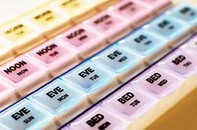
How many times recently have I thought "If only I'd had access to patient records to help make this decision?" Indeed most pharmacy bodies recently have said the same thing - it's about time that pharmacists in-line with most other health providers: GPs, nurses, practice managers, healthcare assistants and practice pharmacists/technicians had access to patient notes to help them help patients. I'm convinced most patients think we have access anyway and according to the Royal College of GPs - patients should have access themselves by 2015 anyway! Pharmacy access to patient notes would help the patient in many other ways...interventions could be recorded, MUR outcomes come be tapped straight in - perhaps even appointments could be booked if the pharmacist had reason to think this was appropriate and so on. A better picture = much better patient care! The number of out of stock, or unavailable, products is indeed very annoying for pharmacists and pharmacy staff - leading to a lot of frustration chasing down stock; and sometimes pharmacists will need to refer a patient back to the GP... The LPC has had a number of requests from GP surgeries in both Gateshead and South Tyneside for support regarding this - as often the patient just turns up with the old prescription telling the receptionist that "the chemist says this isn't available and I have to have something else". On these occasions the GP might have to be disturbed during a consultation - and one GP reported being interrupted several times with one patient...The GPs are often unaware of the shortages (and what is actually available) and would really appreciate a steer on what is prescribable - or indeed what would be an appropriate alternative. I'm sure most of us do this most of the time, but it would really be helpful (and good PR for pharmacy) if the surgery was contacted on every occasion and help given - or a solution offered; so the new prescription is available for the patient, or the pharmacy, to collect and the GP doesn't need to be disturbed as much! The practice pharmacists are helping out as much as they can - but this is a call for action for community pharmacists as we are ideally placed to help here and we really should step up to the plate... I heard from a contractor today who is really concerned about his patients who are discharged from hospital and who are also on a monitored dose system (MDS)... He explained that about 30% of such patients at his pharmacy are given medication in bottles on discharge and then ring him up when they have all gone saying "where's my tray for this week?" What follows is a mad scramble of phone calls, faxes etc to ensure that medication is supplied to the patient - it's really not ideal and could be easily preventable if the hospital let the pharmacy know that the patient had left hospital with a small supply of medication... It doesn't always happen like this, of course. Often I get a phone call or a fax from a really helpful hospital pharmacist and everything is seamlessly done - indeed, on occasion - the MDS is supplied at almost the same time as the patient arrives home and there is no need for any discharge medication via the hospital. I wonder whether the answer lies with the discharge protocol itself...If the patient is on a MDS device and they are being discharged then, if either the patient, or the member of hospital staff, discharging the patient made contact with the pharmacy on every occasion - well in advance to allow access to the prescription, then appropriate arrangements could/might be made - avoiding any risk of the patient being without medication? This would also enable the pharmacy to carry out the "hospital discharge MUR" So, the new academic year has started again, and we have the Sunderland Pharmacy Students back... This time our pharmacy is hosting the students on Mondays and Thursdays and it's a very worthwhile exercise indeed - very professionally rewarding - helping to mould the pharmacists of tomorrow. For those pharmacies that don't take-part in this process, I'll explain what happens. Basically 2 students turn up for a 3 hour session. The students are from all year groups and have community pharmacy tasks to do while they are with us. This week I've got some year 2 students on their first visits - so it's all about clinical guidelines, patient medication records and talking to patients - especially the latter. Patients are usually very understanding and actually enjoy speaking to the students who gain enormously from the patient interactions. I get the whole pharmacy team involved and the staff really enjoy the experience. For pharmacists interested in hosting students, please contact the LPC through the website and we'll put you in touch with the University. |
David CarterChairman of Gateshead & South Tyneside LPC gives you his thoughts of the day Archives
July 2015
Categories
All
|